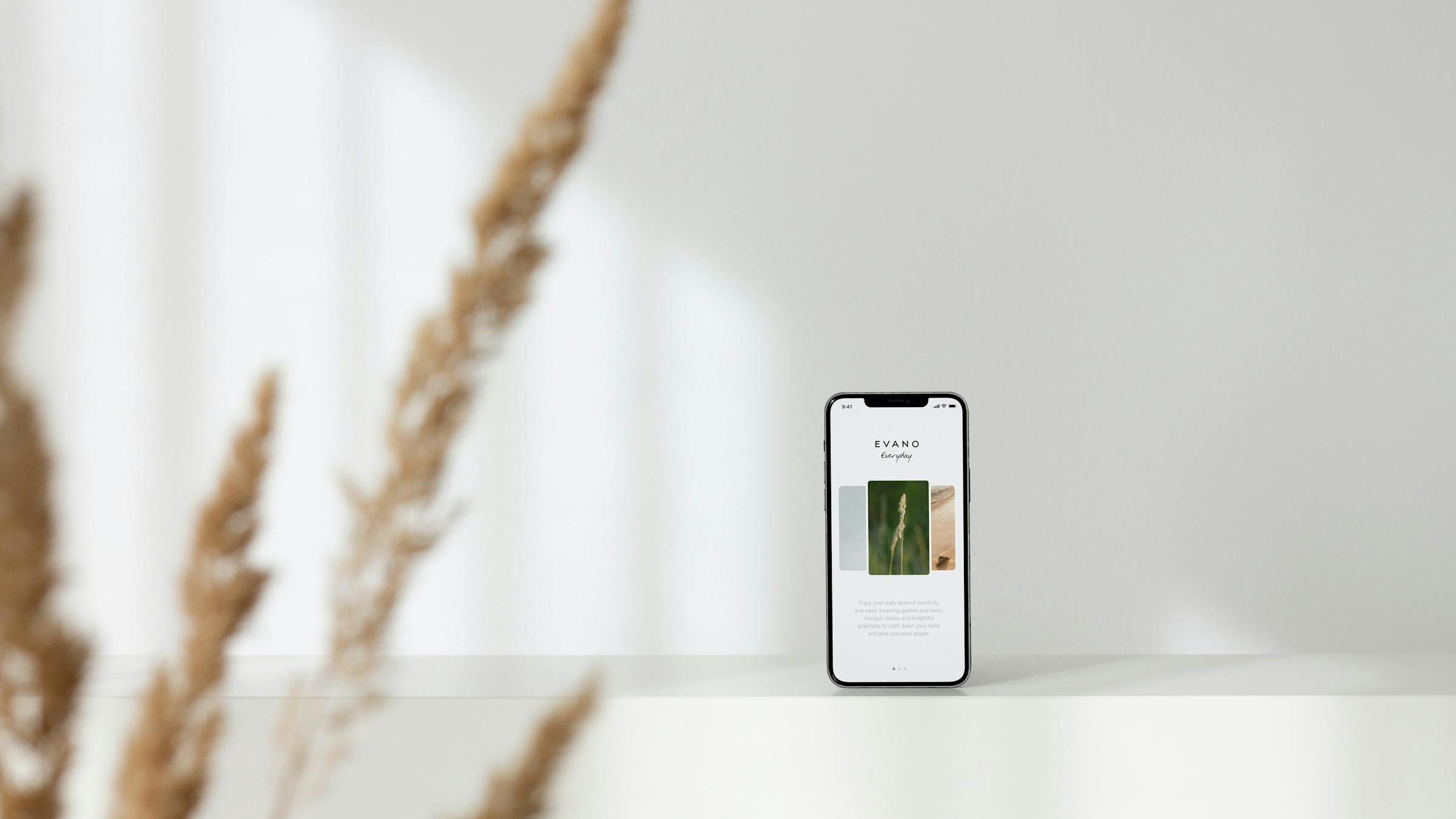
In 2025, UX design patterns are no longer just about visual appeal — they’re about how design feels, moves, and responds. The shift from static screens to dynamic, adaptive experiences has redefined what great UX means. Today’s designers are crafting human-centered systems that combine clarity, motion, and empathy — helping users connect emotionally with technology. From purposeful minimalism to motion-driven storytelling, 2025 UX design patterns reveal a future where every interaction is intentional, inclusive, and alive.
1. The Rise of Purposeful Minimalism in 2025 UX Design Patterns
Minimalism isn’t about removing features — it’s about emphasizing what truly matters. In 2025 UX design, minimalism stands for clarity, accessibility, and intent.
Why it works:
- Reduces cognitive load for better usability
- Improves accessibility and performance
- Builds trust through visual simplicity
Example:
Banking and health apps now rely on minimal UX design patterns to simplify navigation for diverse user groups.
2. Motion as a Defining Element of 2025 UX Design Patterns
Motion design has become a core UX language in 2025. Subtle micro-animations enhance storytelling, provide feedback, and guide user flow.
Why it matters:
- Creates intuitive, responsive interfaces
- Strengthens emotional connection
- Reflects brand identity through dynamic rhythm
Example:
Apps like Notion and Duolingo integrate motion to celebrate progress and encourage learning.
Pro Tip:
Use motion UX design patterns carefully — motion should inform, not distract.
Use motion with purpose — it should guide, not distract.
3. Adaptive and Context-Aware 2025 UX Design Patterns
AI and data-driven insights are transforming how designs respond to users. Adaptive interfaces now tailor experiences based on time, location, and behavior.
Why it’s trending:
- Enables personal and inclusive interactions
- Improves accessibility for different needs
- Builds experiences that evolve with users
Example:
Fitness apps use predictive AI to customize workout plans based on user habits and preferences.
4. Dark Mode Evolution in 2025 UX Design Patterns
Dark mode has matured from a trend to a universal UX standard. Designers in 2025 are perfecting contrast, elevation, and accessibility across both modes.
Why it matters:
- Reduces eye strain and enhances focus
- Offers sleek, modern visual appeal
- Supports brand versatility across light/dark themes
Pro Tip:
Design for dual-theme UX systems from the start to ensure harmony.
5. Conversational and Voice-Driven UX Design Patterns in 2025
As AI assistants evolve, voice and conversational UX patterns are shaping human-like digital interactions.
Why it matters:
- Simplifies complex workflows
- Improves accessibility
- Builds trust through natural tone
Example:
Voice-first platforms now enable actions like booking, learning, and support through conversational flow.
6. Emotional Design and Micro-Delight in 2025 UX Design Patterns
Emotionally aware design is now a differentiator. Interfaces that delight and empathize create memorable experiences.
Why it works:
- Builds loyalty and emotional connection
- Makes daily interactions enjoyable
- Humanizes digital systems
Example:
Spotify’s “Wrapped” and small celebration animations are prime examples of emotional UX design patterns.
7. Data-Driven and Ethical Personalization in 2025 UX Design Patterns
Data powers personalization, but empathy drives its ethics. 2025 UX design focuses on personalized experiences that respect privacy.
Why it’s key:
- Increases engagement and retention
- Enables adaptive, evolving design systems
- Builds long-term user trust
Pro Tip:
Be transparent about personalization — it enhances credibility and brand trust.
The Future of 2025 UX Design Patterns
The defining 2025 UX design patterns prove that design is evolving from structure to soul. Interfaces are becoming living systems — adaptive, emotional, and deeply human. Whether it’s minimalism that clears visual noise, motion that enhances storytelling, or AI-driven personalization that respects privacy, each pattern reflects a commitment to authenticity.
As technology becomes invisible, experience takes the spotlight. The next generation of UX design won’t just meet needs — it will anticipate emotions, celebrate individuality, and build trust through empathy. Designers who embrace this shift from minimalism to motion will shape digital products that not only work beautifully but feel beautifully human.