
The 2026 UX Design Trends are reshaping the digital experience landscape, driving a shift from static interfaces to dynamic, emotionally intelligent, and adaptive systems. As technology evolves, so do user expectations — people now demand digital experiences that understand context, personalize interactions, and respond in real time.
This year’s UX movement is powered by three big forces: human-centered empathy, adaptive intelligence, and AI-assisted collaboration. Together, they define a new era of design that’s not only smart but deeply human.
1. Human: Designing for Empathy, Inclusion, and Context
Understanding the 2026 UX Design Trends begins with a return to what matters most — people. Human-centered design is now a baseline expectation, not a luxury. Users expect interfaces that recognize their goals, adapt to emotional cues, and celebrate individuality.
Key principles of human-focused UX design in 2026:
- Empathy-driven design: Create experiences that align with user emotions, goals, and real-world context.
- Neuro-inclusive design: Build for cognitive and sensory diversity, ensuring accessibility for users with ADHD, autism, or sensory sensitivities.
- Emotional interactions: Use subtle animations, haptic feedback, and micro-interactions to enhance connection.
- Ethical and sustainable UX: Design with long-term social impact, accessibility, and digital well-being in mind.
Pro tips: Conduct research that digs into emotions and motivations, test designs with diverse groups, and use empathy maps to understand the full user journey. The brands that succeed in 2026 will be the ones that design for everyone.
2. Adaptive: Interfaces That Respond and Evolve
Static design is officially over. The adaptive UX revolution focuses on interfaces that adjust intelligently to user behavior, preferences, and environment.
Core elements of adaptive design:
- Real-time interface adaptation: Content, layouts, and navigation shift automatically based on device, lighting, or context.
- Cross-device continuity: Seamless transitions across mobile, desktop, wearables, and IoT devices.
- Dynamic personalization: Color, typography, and layout adapt to mood, accessibility needs, or user history.
- Accessibility adaptivity: Systems adjust font size, contrast, and input methods automatically.
To thrive, designers should develop flexible component libraries, prototype variable user scenarios, and ensure adaptive features enhance — not replace — user control.
3. AI-Assisted: Collaboration Between Humans and Machines
Artificial Intelligence has moved beyond novelty. In 2026, it’s an integral co-designer. The AI-assisted UX trend empowers teams to ideate faster, test smarter, and create more personalized experiences.
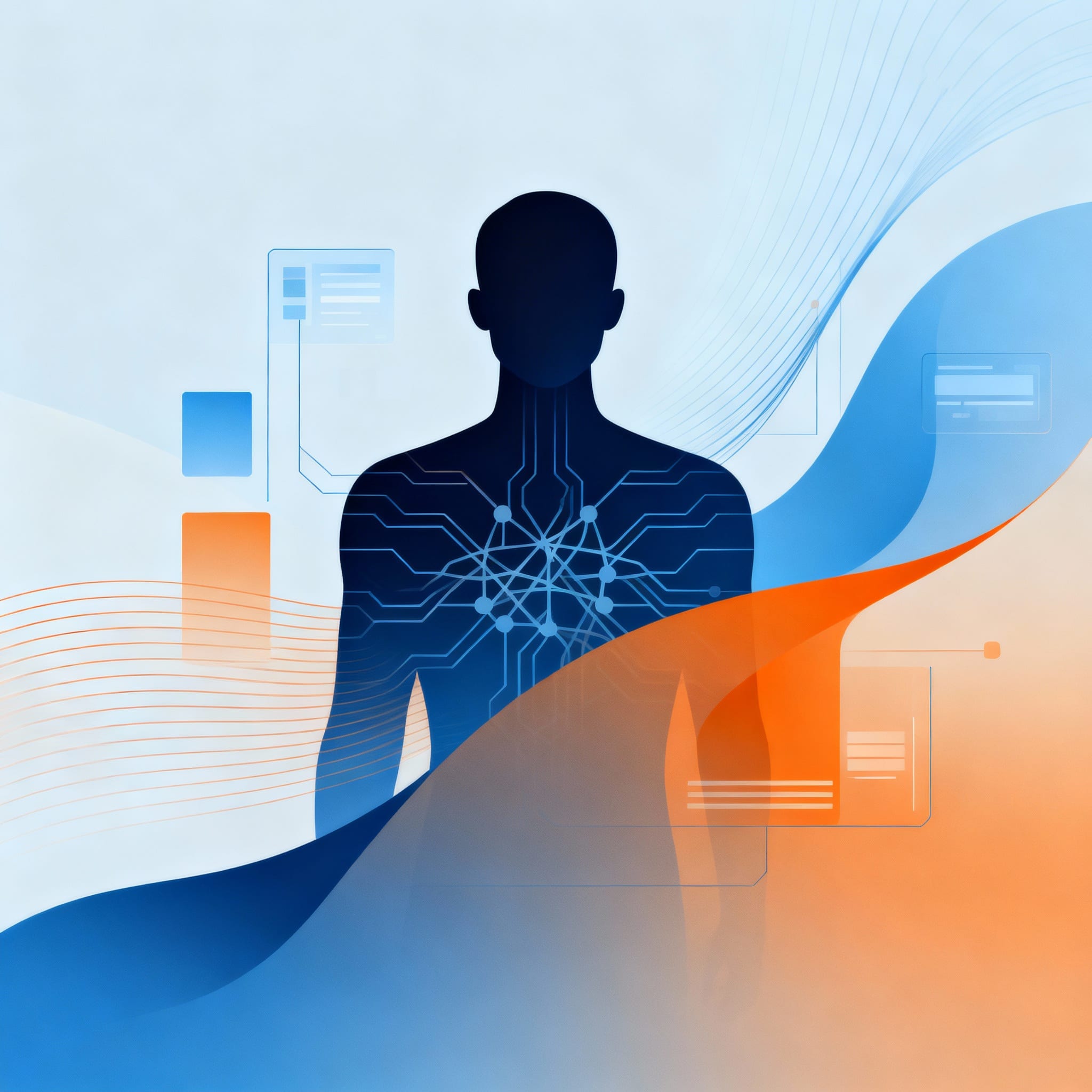
How AI is transforming UX:
- Generative design: AI tools help generate wireframes, layouts, and even copy variations.
- Predictive interfaces: Systems anticipate user needs, surfacing content or actions proactively.
- Transparency and control: Ethical AI design ensures users understand and control how personalization works.
- Designer augmentation: AI accelerates workflows, freeing humans to focus on creativity and empathy.
Designers should identify areas where AI supports — not replaces — human judgment. Trust and transparency remain the backbone of any AI-powered UX strategy.
4. Integrating Human, Adaptive, and AI-Assisted UX
The strongest 2026 UX Design Trends emerge at the intersection of these three forces. Human-centered principles ensure empathy, adaptive design guarantees responsiveness, and AI adds intelligent automation.
A strategic roadmap for integration:
| Phase | Focus | Outcome |
|---|---|---|
| Discovery | Research & AI readiness | Identify user & automation opportunities |
| Framework | Design systems & scalability | Flexible, future-proof architecture |
| Team Enablement | Upskill in adaptive and AI tools | Empowered, agile teams |
| Prototype & Test | Combine all three approaches | Validate and refine |
| Launch & Monitor | Continuous optimization | Sustainable, data-driven UX practice |
5. Measuring Success in 2026 UX
Traditional usability metrics are evolving too. Teams now measure:
- Emotional engagement – Are users emotionally satisfied?
- Adaptivity performance – How effectively does the interface respond?
- AI effectiveness – Are predictions accurate and ethical?
- Inclusivity impact – Do all users feel represented and supported?
Tracking these metrics helps teams refine products in real time and maintain human-first integrity.
6. Conclusion: The Future of UX is Human + Intelligent
The 2026 UX Design Trends highlight one clear truth — the future belongs to experiences that are empathetic, adaptive, and AI-assisted. As interfaces evolve to feel more intuitive and alive, users will reward designs that balance intelligence with empathy.
Organizations that embrace these trends will lead the next digital revolution — building products that not only perform well but also connect deeply, meaningfully, and ethically with the people who use them.