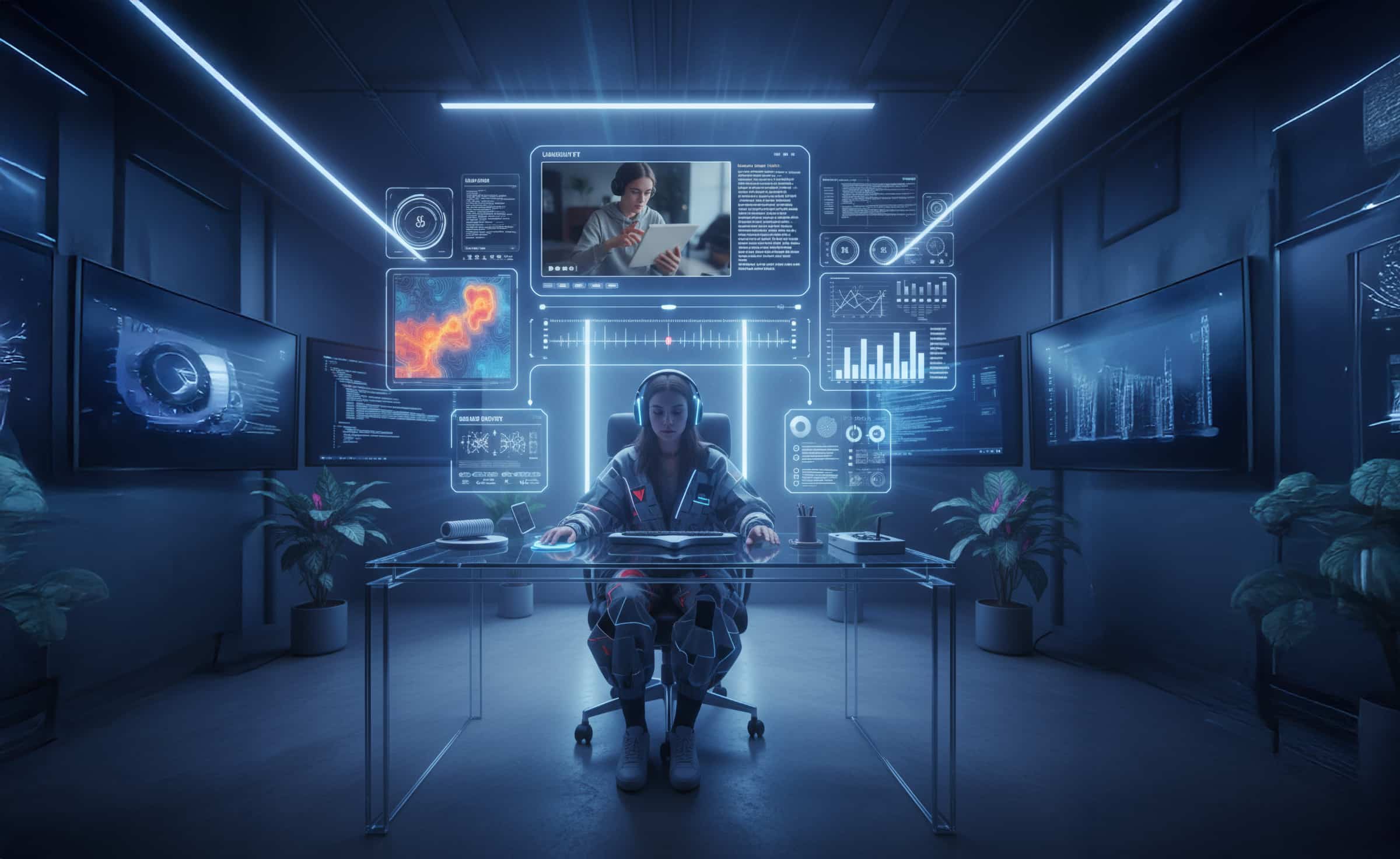
Artificial Intelligence is no longer a futuristic concept in design — it’s here, reshaping how we create and collaborate. AI and the Designer’s Role Shift isn’t about replacement; it’s about transformation. As tools like Figma AI, Adobe Firefly, and ChatGPT enter daily workflows, the designer’s value lies less in execution and more in vision, empathy, and strategy.
AI systems can now generate wireframes, layouts, and even content in seconds. But behind every pixel still stands a human — interpreting emotion, context, and meaning. The designer’s new challenge is to blend machine efficiency with human creativity, ensuring that digital experiences remain emotionally resonant and ethically designed.
1. From Creator to Curator
The designer’s job is evolving from crafting visuals to curating intelligent outputs. With AI tools automating routine work, designers act as editors, guiding AI-generated concepts to align with brand voice and user intent. This new role emphasizes decision-making, storytelling, and maintaining emotional depth in design.
“AI may design the interface, but humans design the experience.”
By focusing on why something should be designed rather than just how, designers move toward more strategic, leadership-driven roles. This is especially true in UX design, where understanding human behavior, empathy, and accessibility still requires a distinctly human touch.
2. AI-Assisted Research and Insights
One of the most significant aspects of AI and the Designer’s Role Shift is how it revolutionizes research. Traditional UX research could take weeks — analyzing feedback, identifying pain points, and synthesizing patterns. AI-powered tools like UserTesting AI, Attention Insight, or Maze AI can process that same data in minutes.
These platforms help designers generate instant usability insights from user behavior and heatmaps. This automation allows UX professionals to focus on the “why” behind the data — interpreting motivation, emotion, and context — rather than just collecting numbers. Ultimately, designers become strategic interpreters, turning raw data into human-centered design direction.
3. Creativity Augmented by AI
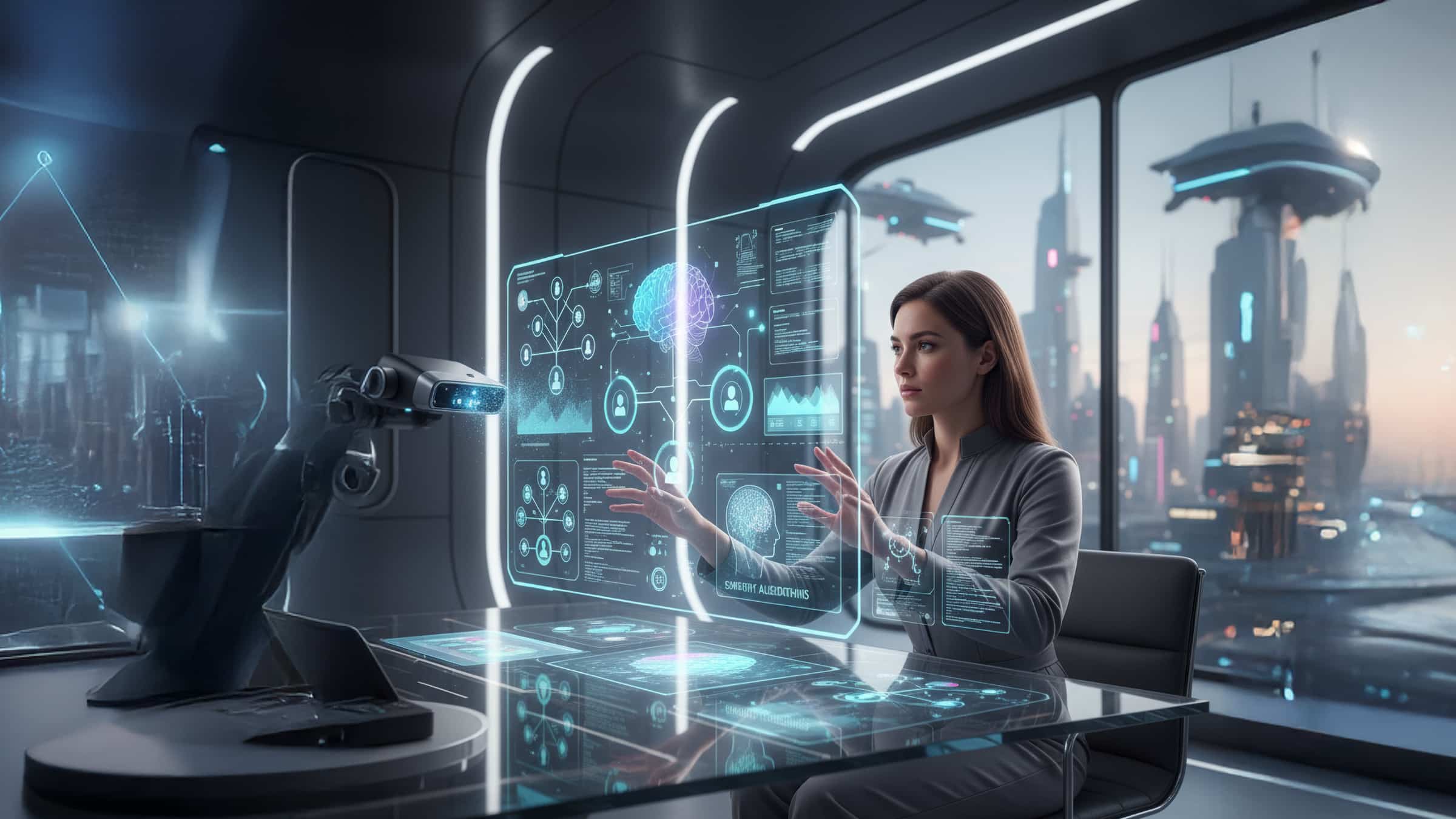
AI doesn’t kill creativity — it multiplies it. With generative models producing hundreds of variations instantly, designers gain the freedom to explore more ideas in less time. For instance, a UX designer can prompt a tool like Midjourney or DALL·E to generate multiple layout ideas, refine one, and instantly test its usability with AI-driven analytics.
This evolution of creativity means designers now act as creative conductors, orchestrating human intuition with AI experimentation. The craft is no longer about pushing pixels; it’s about shaping possibilities and curating meaning from machine-generated options.
4. Ethics, Empathy, and Human Oversight
As AI becomes more powerful, the designer’s ethical responsibility grows. AI and the Designer’s Role Shift demands that creatives ensure fairness, inclusivity, and accessibility in every decision.
AI systems learn from existing data — which can reflect social bias. Designers must step in as ethical moderators, ensuring that design outputs respect diversity, avoid stereotypes, and serve all users equally.
Human empathy remains irreplaceable. While AI can predict clicks and scrolls, it cannot feel user frustration or joy. Designers must preserve that human layer — embedding emotional intelligence and empathy into products powered by algorithms.
5. The Future: Hybrid Intelligence in Design
The most successful UX designers of tomorrow will not compete with AI but collaborate with it. AI and the Designer’s Role Shift points toward a hybrid future — where human insight guides machine precision. The ideal designer will combine creative intuition with technical fluency, leveraging AI not as a shortcut but as a creative amplifier.
Design education and career paths are evolving, too. Emerging UX professionals now study AI literacy, data visualization, and design ethics alongside traditional design principles. Those who understand both emotional design and computational intelligence will lead the future of the digital industry.
How Designers Can Future-Proof Their Skills
To adapt to this transformation, designers can:
- Learn AI tools like ChatGPT, Uizard, or Figma AI to enhance workflow
- Focus on strategy and user empathy over repetitive tasks
- Collaborate with data scientists to understand AI-driven insights
- Advocate for ethical AI use in their organizations
- Stay curious — experiment, learn, and evolve with new tools
This approach ensures designers stay indispensable in a world where creativity and computation converge.
Conclusion
Artificial Intelligence is changing what it means to design — but it’s not taking creativity away. Instead, it’s redefining it. The AI and the Designer’s Role Shift reminds us that the tools may change, but the purpose remains: to design for people.
The designers who embrace AI as a collaborator, not a competitor, will lead the next era of UX — one defined by intelligence, adaptability, and empathy.
The future of UX belongs to human-AI synergy — not substitution.