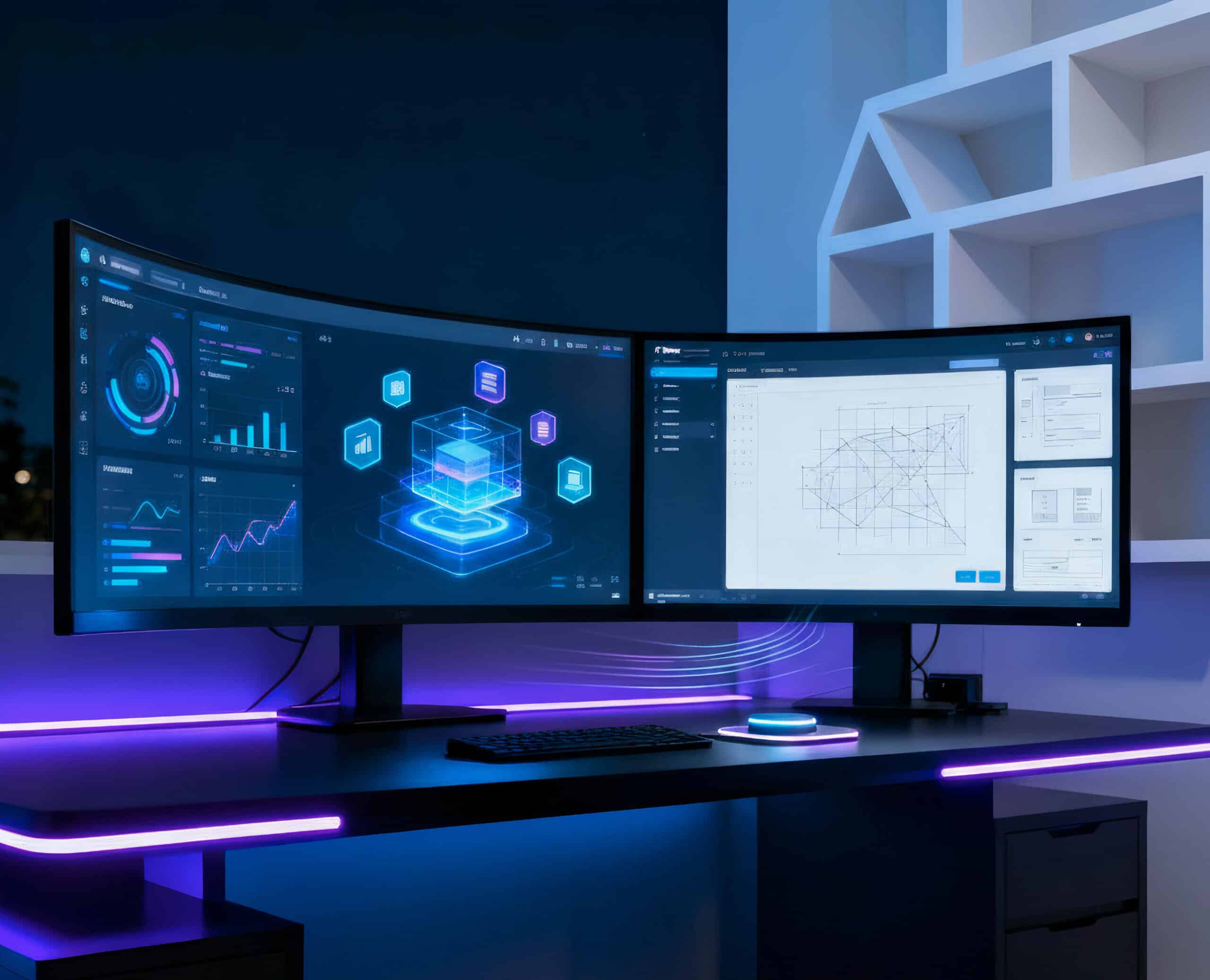
AI tools for UX designers in 2025 are transforming how digital experiences are imagined, designed, and delivered. Artificial Intelligence is no longer a futuristic concept — it’s an everyday design companion. From automating user research to generating wireframes and predicting user behavior, AI-powered platforms are empowering designers to focus more on creativity, empathy, and strategy instead of repetitive tasks. As these tools become smarter and more accessible, they’re reshaping UX workflows across industries. Here’s a closer look at the most innovative AI tools every UX designer should know in 2025 to stay ahead of the curve.
Uizard – From Idea to Interface in Minutes
Uizard uses AI to turn rough sketches or text prompts into polished, ready-to-edit wireframes and prototypes. It’s perfect for quickly visualizing concepts and sharing them with stakeholders. Designers can simply describe the app or website they want, and Uizard generates a starting point instantly.
Key Features:
- Converts hand-drawn wireframes into digital designs
- AI-assisted theme and color suggestions
- Quick prototyping for web and mobile apps
Framer AI – Design and Publish with a Prompt
Framer AI has taken web design automation to the next level. Designers can now build entire responsive websites using simple text prompts. It’s ideal for UX professionals who want to test concepts or launch landing pages rapidly without writing code.
Key Features:
- Text-to-website generation
- Real-time preview and instant publishing
- AI layout and component suggestions
Figma AI – The Future of Collaborative Design
Figma’s new AI capabilities help designers speed up tasks such as content creation, layout alignment, and design exploration. It can automatically suggest improvements and help with accessibility, making design workflows smarter and faster.
Key Features:
- Auto layout and content generation
- Intelligent design suggestions
- Accessibility and color contrast optimization
Attention Insight – Predict User Focus Before Testing
Attention Insight uses AI-powered heatmaps to predict where users will focus on a page. Instead of waiting for user testing data, designers can instantly analyze visual attention and make informed design decisions early in the process.
Key Features:
- AI-generated attention heatmaps
- Usability benchmarking
- Pre-launch performance prediction
Userlytics & PlaybookUX – AI for User Research
AI-driven research platforms like Userlytics and PlaybookUX can now analyze user interview recordings, summarize insights, and highlight emotional cues. These tools help UX teams cut hours of manual analysis, letting them focus on strategy and ideation.
Key Features:
- AI-generated summaries and key findings
- Sentiment and behavior analysis
- Automated reporting
Galileo AI – Text-to-UI Design
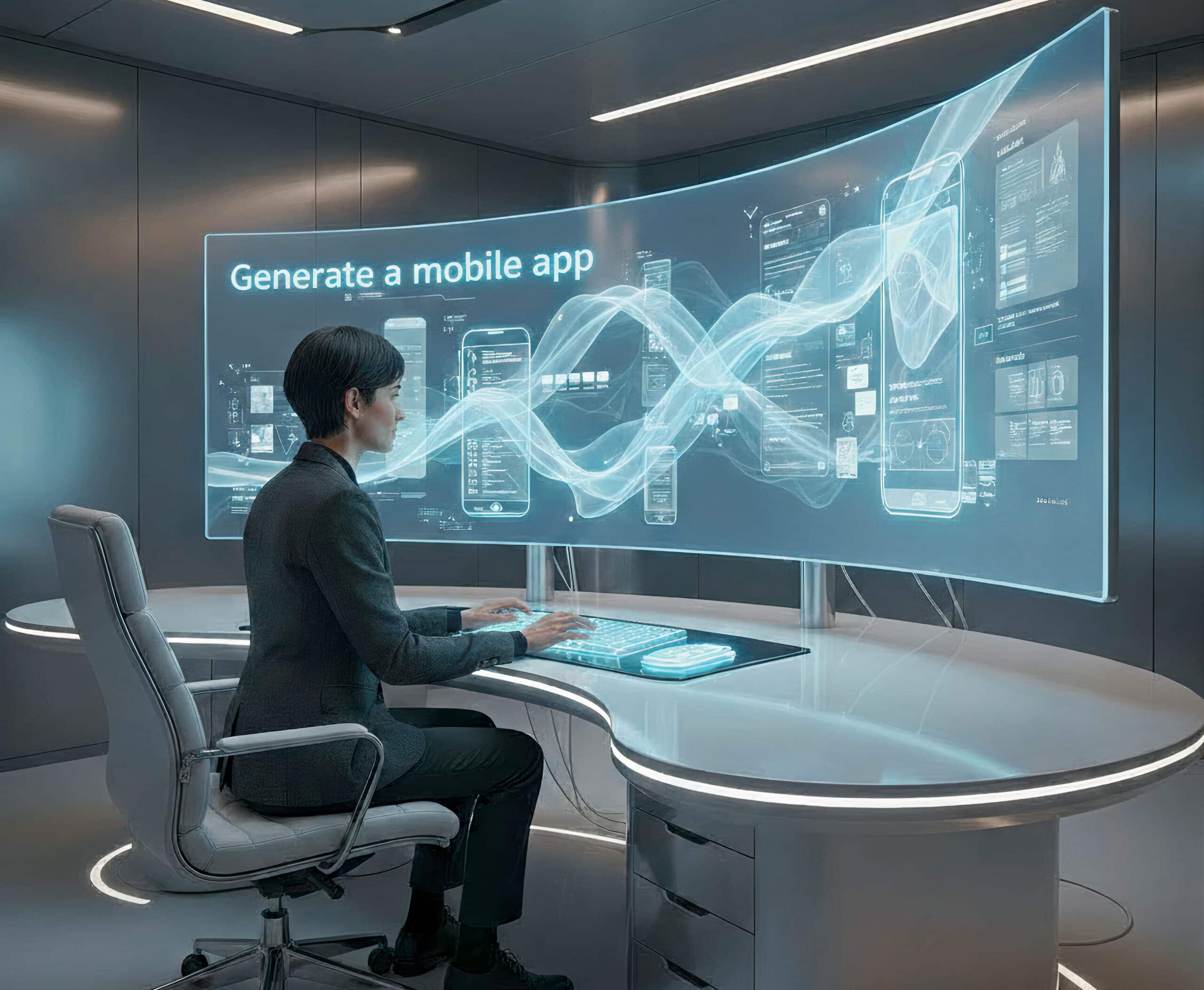
Galileo AI allows designers to describe what they need in natural language — for example, “a mobile login screen with dark mode and password reset.” The AI then creates beautiful, editable UI designs ready for Figma or Sketch.
Key Features:
- Natural language interface design
- Context-aware styling and layout
- Instant Figma export
ChatGPT – Your AI UX Partner
Beyond design-specific tools, ChatGPT can assist UX designers in multiple ways — from writing microcopy and usability test scripts to generating personas or brainstorming design ideas. It acts as a smart collaborator for both ideation and execution.
Key Uses:
- Writing UX content and design documentation
- Generating user personas and scenarios
- Summarizing user research
The Future of UX Is AI-Empowered
The rise of AI tools for UX designers in 2025 marks a turning point in digital product creation. From text-to-interface generators like Uizard and Galileo AI to research analyzers like Attention Insight and PlaybookUX, designers now have intelligent assistants that reduce effort and enhance impact.
AI is not replacing designers — it’s redefining the craft. The best UX professionals combine AI-powered efficiency with human empathy, creating experiences that are both data-informed and emotionally resonant.
In the near future, UX design will become even more collaborative — where humans provide intuition and ethics, and AI offers scale, insight, and speed. Those who learn to balance both will shape the next era of intelligent, inclusive, and meaningful user experiences. As we step into 2025, AI tools for UX designers will continue shaping smarter, more human-centered digital experiences.